How AI and PostgreSQL Skills Can Prepare Professionals for the Future of Technology
Technology is changing rapidly, and professionals must continuously develop new skills to remain competitive. Artificial intelligence, data analytics, databases, and automation are becoming essential across industries. For students, developers, and technology professionals, building practical knowledge is often more valuable than simply understanding theoretical concepts. learnswithai focuses on helping learners strengthen their technical abilities through practical and career-oriented learning experiences.
Understanding the AI Skills Gap
As businesses adopt artificial intelligence, the demand for professionals with relevant AI knowledge continues to increase. However, many organizations face a shortage of employees who understand how to apply AI tools effectively. An AI agent skills gap analysis can help identify the difference between the capabilities a team currently has and the skills required to develop, manage, or work with AI agents.
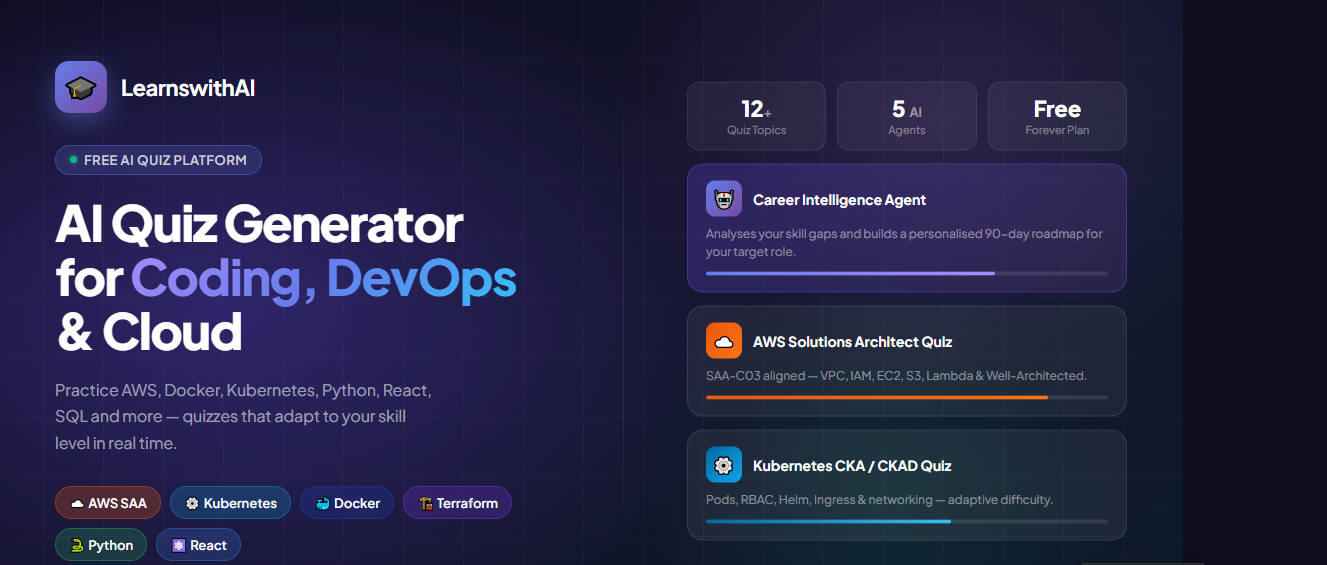
This type of analysis can evaluate areas such as prompt engineering, machine learning fundamentals, automation, data handling, AI agent development, and problem-solving. By identifying specific weaknesses, learners and organizations can create focused training plans instead of spending time on skills they already understand.
For individuals, an AI agent skills gap analysis can also provide direction when planning a technology career. It can highlight which skills need improvement and help learners choose suitable courses, projects, and practice exercises. This makes professional development more structured and goal-oriented.
Why Database Skills Still Matter
Artificial intelligence systems depend heavily on data, making database knowledge an important part of modern technology careers. PostgreSQL is a powerful open-source relational database widely used for applications, analytics, and data-driven systems. Learning how to write efficient SQL queries can help professionals work confidently with structured data.
One of the most effective ways to improve database knowledge is through consistent practice. PostgreSQL query practice allows learners to work with realistic problems involving filtering, sorting, joins, aggregation, subqueries, and data manipulation.
Rather than memorizing SQL syntax, practical exercises encourage learners to understand how queries work and how different database operations can solve real business problems. Regular PostgreSQL query practice can also improve logical thinking and troubleshooting skills, which are valuable for developers and data professionals.
Combining AI and Database Knowledge
AI and databases are increasingly connected. AI applications often need reliable data sources to generate useful results, while businesses need databases to store and organize information used by intelligent systems. Professionals who understand both areas can therefore bring broader value to technology projects.
For example, an AI-powered application may need to retrieve customer information from PostgreSQL, analyze that data, and provide an automated response. Understanding database queries alongside AI concepts makes it easier to participate in such projects.
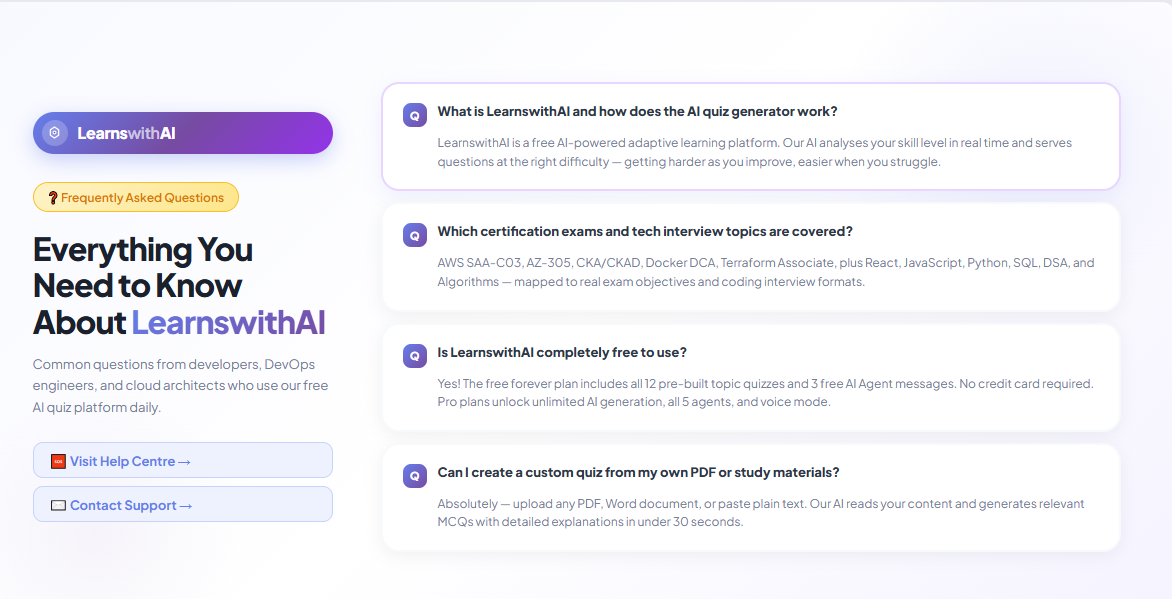
learnswithai supports a practical approach to technology learning by encouraging learners to build knowledge through practice and skill development. Combining AI learning with database exercises can help students develop a stronger technical foundation.
Build Skills Through Consistent Practice
Technology skills improve through regular learning and hands-on experience. Instead of attempting to master everything at once, learners should identify their current abilities, recognize gaps, and work toward measurable improvements.
An AI agent skills gap analysis can provide a useful starting point for AI-focused development, while PostgreSQL query practice can strengthen essential database capabilities. Together, these skills can prepare learners for a technology environment where artificial intelligence and data increasingly work side by side.


Comments
Post a Comment